2026 Florida Legislative Session Concludes — But Work Remains
2026 Florida Legislative Session Concludes — But Work Remains

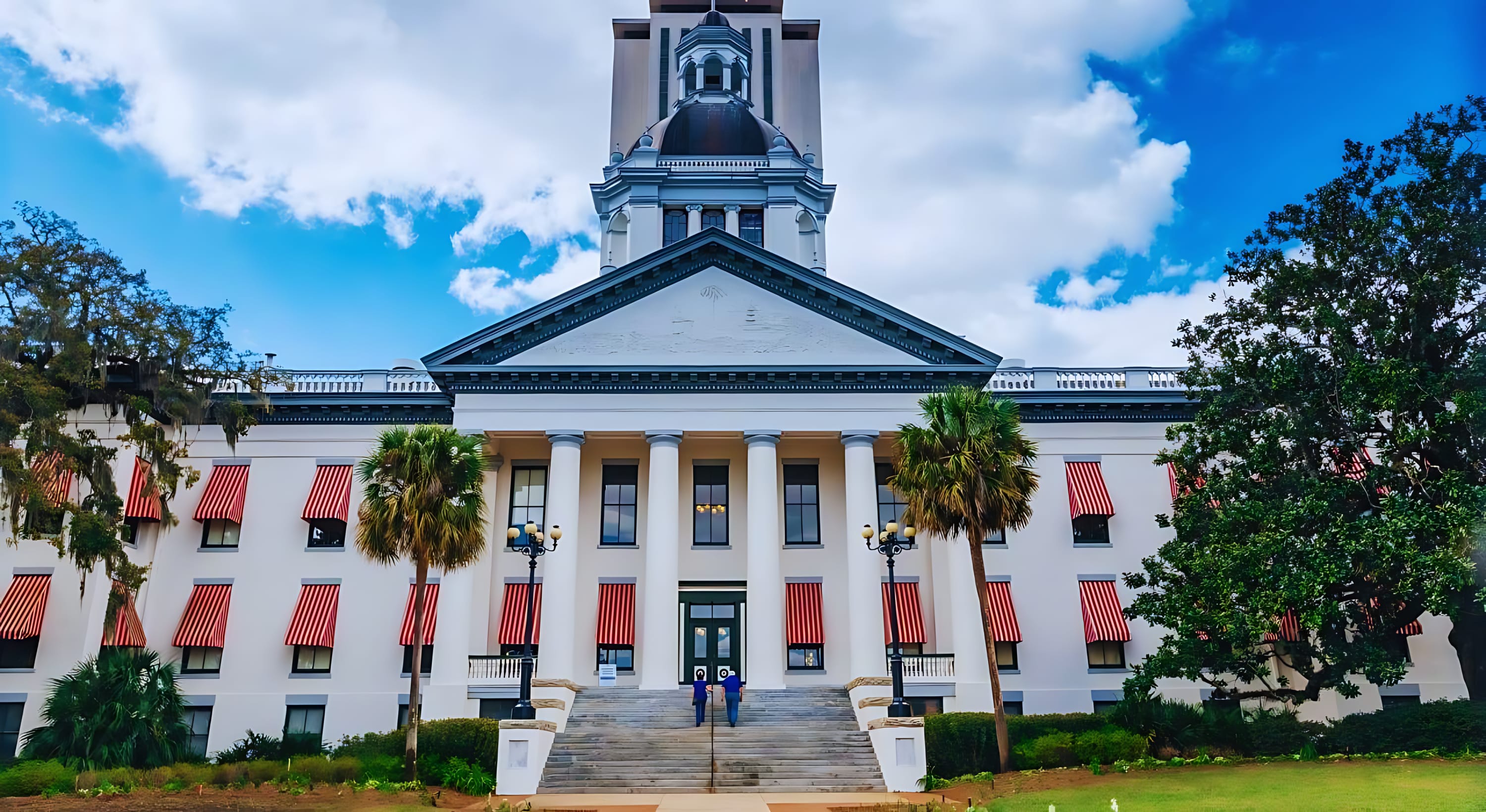
The Florida Legislature adjourned sine die on Friday, March 13, 2026, bringing the scheduled 60-day session to a close — without completing its only constitutionally required responsibility: passing a state budget.
For the second consecutive year, lawmakers ended session with major unresolved issues, setting the stage for a return to Tallahassee in the coming weeks.
A Session Defined by Volume — and Division
Despite the budget impasse, lawmakers passed a significant volume of legislation.
- 237 bills cleared both chambers, many during a flurry of activity in the final days
- Overall legislative activity declined slightly compared to prior years
- Numerous high-profile priorities stalled due to disagreements between the House and Senate
The session was also marked by intraparty divisions within a Republican supermajority, with leadership clashes shaping both policy outcomes and the session’s unfinished business.
Budget and What Comes Next
The most significant takeaway from the state's 128th session is what did not happen.
The House and Senate remain approximately $1.4 billion apart on spending plans, preventing formal budget negotiations from advancing. Lawmakers are expected to return in mid-April to finalize a budget before the July 1 start of the new fiscal year, with additional issues — including property tax relief — also under consideration. A separate special session on congressional redistricting is also anticipated.
Critically, neither chamber’s budget currently includes the Governor’s recommended $7.1 million Medicaid Private Duty Nursing (PDN) rate increase — a key priority for addressing workforce shortages and improving access to care.
HCAF continues to actively engage legislative leadership and budget writers to advocate for inclusion of this funding as negotiations move forward.
Final Week Surge: Key Actions and Outcomes
As is typical, the final week of session saw a rapid acceleration of legislative activity, with numerous bills advancing to the Governor’s desk.
Key developments included:
- More than 160 bills passed and will be presented to the Governor
- Major policy areas addressed included election law, public safety, housing, education, and energy
- A $31 million stopgap funding measure to restore access to the AIDS Drug Assistance Program for more than 11,000 Floridians through June 30
- Unanimous passage of legislation expanding the Linking Industry to Nursing Education (LINE) Fund, supporting workforce development through increased flexibility and partnerships
Measures That Did Not Cross the Finish Line
Several notable proposals stalled due to lack of agreement between chambers, including major policy initiatives across health care, technology, and economic policy.
For HCAF and Florida’s home care providers, the most significant outcome was the failure of key industry priorities to advance:
- Consumer Transparency Legislation (SB 1068/HB 1013): HCAF’s top priority passed the House unanimously (115-0), reflecting strong bipartisan support to increase transparency in Florida’s care-at-home marketplace. However, the Senate companion did not receive a hearing in its first committee, preventing the measure from advancing further this session.
- Controlled Substance Delegation (SB 902/HB 733): Department of Health legislation that would have allowed registered nurses to delegate administration of certain Schedule IV controlled substances to home health aides for medically fragile children ultimately failed to pass. While the bill advanced in both chambers, it was amended in the Senate and not taken up by the House before adjournment.
Broader initiatives — including Medicaid and SNAP policy changes, a major transportation package, and AI and medical freedom proposals — also failed to reach final agreement before adjournment.
With the upcoming special session expected to focus primarily on the state budget and tax policy, these measures are effectively dead for 2026 and would need to be reintroduced in 2027.
What This Means for Home Care Providers
For Florida’s home care provider community, the 2026 session reflects a more nuanced dynamic:
- Strong legislative engagement, with HCAF priorities advancing and receiving unanimous support in the House
- A departure from recent years (2023-2025), when key HCAF-backed legislation successfully passed both chambers and was signed into law
- Continued uncertainty driven primarily by unresolved budget decisions, particularly related to Medicaid funding and workforce investment
Importantly, many of the most consequential issues for providers — especially those tied to reimbursement and access to care — now hinge on the outcome of the upcoming budget negotiations.
Continue the Conversation: Join HCAF This May
HCAF will take a deeper dive into the 2026 Legislative Session during the Home Care Connection Spring 2026 Series, taking place throughout Florida with a virtual attendance option available.
In addition to updates on federal policy developments and a forward-looking discussion on industry trends, challenges, and opportunities, these regional events will feature:
- A comprehensive breakdown of what passed — and what didn't
- Insights into budget negotiations and what to expect next
- Opportunities to connect with peers and ask questions
Providers are encouraged to attend and stay informed as the legislative process continues to unfold.
Coming Soon: 2026 Legislative Session Report
Stay tuned for the release of HCAF’s annual Florida Legislative Session Report following completion of the state budget.
While key priorities fell short this session, this outcome was far from unique to home care and reflects broader challenges across industries driven by legislative infighting. HCAF extends its sincere appreciation to all who participated in Home Care Day at the Capitol, engaged in county legislative delegation meetings, or advocated online throughout session. Your leadership and engagement continue to strengthen our collective voice, and we look forward to building on that momentum in the months ahead on behalf of Florida’s home care provider community.